
Alternatives to Polym
Explore the best alternatives and competitors to Polym.
Explore 20 alternatives to Polym. Compare features, pricing, and find the best fit for your needs.
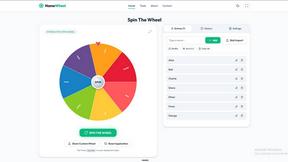
Name Wheel Pro
Can't decide? NameWheelPro spins up random names, numbers, colors, or yes/no answers in seconds. Free, fast, and ad-free.
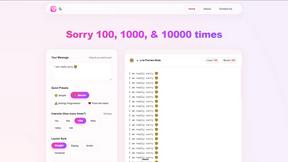
sorry text repeater
Say sorry 100, 1,000, or 10,000 times — free apology text generator with emojis and custom layouts.
GeoRank
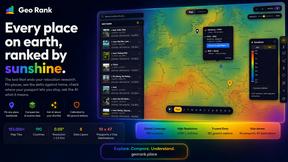
GeoRank turns relocation research into an interactive map where you compare places on sunshine, cost, tax, and visa, then ask AI about your shortlist.
PrettyScale
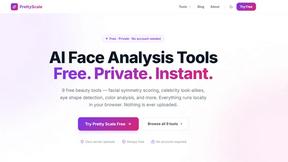
PrettyScale analyzes your face with 9 private AI tools for beauty scoring, look-alikes, and body shape, all instantly in-browser with no signup.
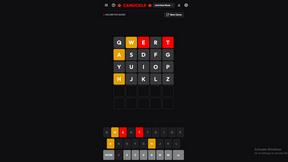
Canuckle Game
Canuckle adapts the classic Wordle formula into a distinctly Canadian word game, where every daily puzzle answer draws from the country's unique.

Insta Repeater
Insta Repeater is a free text utility that instantly repeats any message up to 10,000 times with emojis and fancy fonts for easy sharing on social.
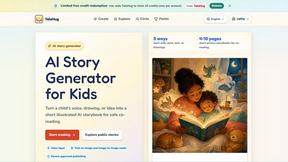
TaleHug AI Story Generator for Kids
TaleHug transforms a child's voice, drawing, or idea into a safe, customizable AI illustrated storybook for joyful co-reading.
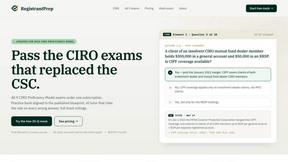
Registrant Prep
Registrant Prep replaces the $1,000+ CSI CIRE exam prep with an AI tutor, 16,000+ rule-cited questions, and full mocks for $29.99/month.
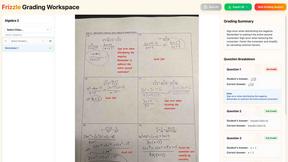
Frizzle
Frizzle turns photos of handwritten math into real-time analytics, revealing misconceptions and next steps for every student.
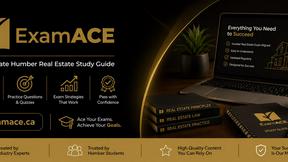
ExamACE
ExamACE is your comprehensive online study guide for passing the Humber real estate exam with AI support and summarized courses.
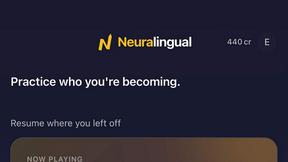
Neuralingual
Neuralingual creates personalized affirmation audio to empower your mindset transformation, tailored to your unique goals and aspirations.
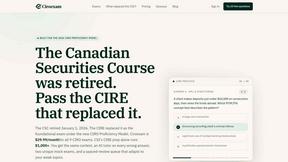
CIROExam
CIROExam offers affordable, AI-driven prep for the new CIRE exams with real-time feedback and tailored practice to ensure your success.
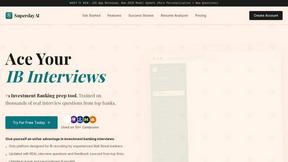
Superday AI
Superday AI transforms how finance candidates prepare by combining real interview questions, personalized coaching, and voice mock interviews into.
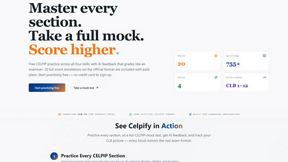
Celpify
Celpify offers AI-driven CELPIP practice with realistic mocks and examiner-style feedback to help you master all four skills and boost your score.

BaricBoost
BaricBoost is your independent guide to hyperbaric oxygen therapy, offering evidence-based insights for informed treatment decisions.
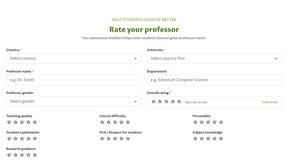
Rate My Professor
Rate My Professors empowers students to anonymously share and discover honest reviews, helping them choose the best professors for their learning.
About Polym Alternatives
Polym is an innovative audio learning app that belongs to the educational technology and lifelong learning category. It distinguishes itself by using active learning techniques like retrieval practice and spaced repetition to help users deeply retain foundational knowledge across subjects like philosophy, economics, and computer science, moving beyond passive content consumption. Users may seek alternatives for various reasons, including budget constraints, a preference for different content formats like video or text, the need for platform-specific apps, or a desire for learning paths focused on different skills or subjects. The search often stems from a need to find the right tool that aligns with an individual's specific learning style, goals, and practical circumstances. When evaluating alternatives, consider the core learning methodology. Does the platform facilitate active engagement or is it purely passive? Assess the breadth and depth of the content library to ensure it covers your areas of interest. Finally, examine the user experience, including platform availability, interface design, and how well the tool integrates into your daily routine for consistent, long-term learning.
FAQs about Polym Alternatives
What is Polym?
Polym is an audio app that uses active learning techniques like retrieval practice and spaced repetition to help you remember foundational knowledge from subjects like Statistics, Philosophy, and Computer Science.
Who is Polym for?
Polym is designed for the modern polymath, perpetually curious professionals, and anyone who wants to build a durable mental framework of the world's most important concepts through active recall.
What are the main features of Polym?
Its main features are medium-form audio courses on foundational subjects and active learning via audio flashcards that incorporate retrieval practice to strengthen long-term memory.
Why choose Polym?
Choose Polym if you want to transform passive listening into an active educational experience, specifically designed to combat the 'forgetting curve' and make foundational knowledge stick.