
CloudBurn vs qtrl.ai
Side-by-side comparison to help you choose the right AI tool.

CloudBurn
CloudBurn provides AWS cost estimates in pull requests, helping teams avoid unexpected bills from infrastructure.
Last updated: March 1, 2026

qtrl.ai
qtrl.ai scales QA with AI agents while ensuring full team control and governance.
Last updated: March 4, 2026
Visual Comparison
CloudBurn
qtrl.ai
Feature Comparison
CloudBurn
Proactive Cost Impact Analysis
CloudBurn provides real-time cost impact analysis for infrastructure changes, enabling developers to see the exact financial implications of their modifications within the pull request. This feature ensures that cost considerations become an integral part of the development process, fostering a culture of fiscal responsibility among engineering teams.
Seamless GitHub Integration
With seamless integration into GitHub, CloudBurn simplifies the setup process for teams. Users can easily install the platform and add necessary GitHub Actions to their workflows, ensuring that cost analysis is automatically included in each pull request without any additional overhead.
Automated Cost Reporting
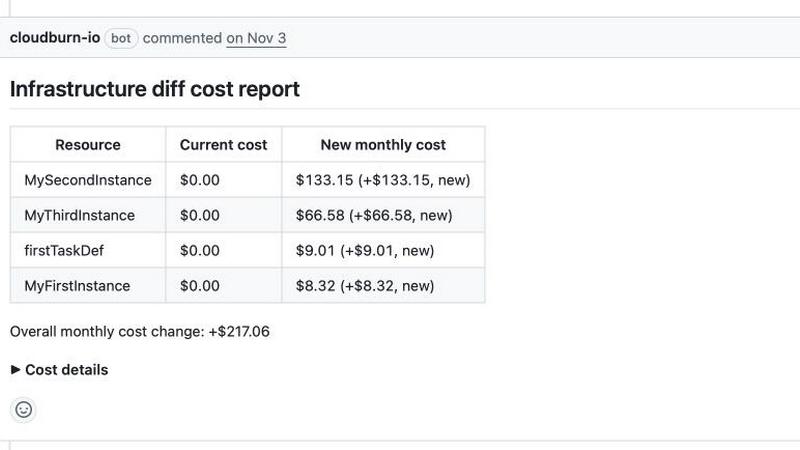
CloudBurn automatically generates detailed cost reports based on the infrastructure changes proposed in a pull request. This feature highlights the monthly cost impact of each resource, allowing teams to visualize and discuss potential budget implications before changes are deployed to production.
Continuous Cost Monitoring
By providing continuous cost monitoring and real-time pricing updates, CloudBurn helps teams avoid unexpected expenses. This feature ensures that developers are always working with the latest pricing information, allowing for informed decisions that can prevent costly mistakes.
qtrl.ai
Enterprise-Grade Test Management
qtrl provides a robust, centralized hub for all QA artifacts. It enables teams to create, organize, and manage test cases, plans, and runs with full traceability back to requirements. This ensures clear audit trails, supports compliance needs, and offers a single source of truth for both manual and automated testing workflows, giving managers complete oversight and control over the quality process.
Autonomous QA Agents
This core feature introduces intelligent automation through AI agents that execute high-level instructions in real browsers. Teams can describe a test in plain English, and the agent performs the actions across defined environments. These agents operate at scale, run continuously or on-demand, and function within strict governance rules, providing automation power without the fragility of traditional script maintenance.
Progressive Automation & Adaptive Memory
qtrl champions a step-by-step journey to automation. Teams begin with human-written instructions, then progress to AI-generated tests, with full review capabilities at each stage. The platform's Adaptive Memory builds a living knowledge base of your application, learning from every interaction and execution to power smarter, more context-aware test suggestions and maintenance over time.
Multi-Environment Execution & Governance
The platform supports secure testing across development, staging, and production environments. It manages per-environment variables and encrypted secrets, ensuring sensitive data is never exposed to AI agents. Built-in governance features like permissioned autonomy levels, full agent visibility, and transparent decision-making ensure enterprise-ready security and foster trust in the automated processes.
Use Cases
CloudBurn
Early Detection of Costly Misconfigurations
CloudBurn serves as an essential tool for identifying costly misconfigurations during the development phase. By integrating cost analysis into the PR process, teams can catch potential budget overruns before deployment, significantly reducing the risk of unexpected bills.
Optimizing Resource Allocation
Development teams can utilize CloudBurn to optimize their resource allocation by understanding the cost implications of their infrastructure choices. With detailed cost reports, teams can make informed adjustments to resource specifications, ensuring efficient use of cloud resources.
Enhancing Financial Accountability
By embedding cost awareness into the CI/CD pipeline, CloudBurn fosters a culture of financial accountability within engineering teams. Developers become more conscious of the financial implications of their work, leading to better decision-making and more responsible cloud resource management.
Streamlining Collaboration Between Teams
CloudBurn facilitates better collaboration between development and finance teams by providing a common platform for discussing cost implications. This collaborative approach enhances communication and aligns engineering efforts with financial goals, driving overall efficiency in cloud management.
qtrl.ai
Scaling Beyond Manual Testing
For QA teams overwhelmed by repetitive manual test cycles, qtrl offers a graceful off-ramp. Teams can start by structuring their existing manual cases in the platform and then progressively introduce automation for the most tedious flows using autonomous agents, dramatically increasing test coverage and execution speed without a steep learning curve or loss of control.
Modernizing Legacy QA Workflows
Companies stuck with outdated, siloed, or script-heavy automation frameworks can use qtrl to consolidate and modernize. The platform integrates test management and execution, reduces maintenance burden via AI, and provides the dashboards and traceability missing from legacy setups, enabling a cohesive, data-driven quality strategy.
Ensuring Governance in Enterprise AI Adoption
Enterprises that require strict compliance, audit trails, and security for any AI tool find a safe partner in qtrl. Its "governance by design" philosophy, with features like permissioned autonomy, full visibility into agent actions, and encrypted secret management, allows large organizations to harness AI's power for QA without compromising on oversight or regulatory requirements.
Accelerating Product-Led Engineering Teams
Fast-moving product and engineering teams need to ensure quality without slowing down deployment. qtrl fits seamlessly into CI/CD pipelines, provides continuous quality feedback, and allows developers to create and run tests via simple instructions, enabling rapid iteration with confidence and shifting quality left in the development process.
Overview
About CloudBurn
CloudBurn is an innovative FinOps and infrastructure cost management platform tailored for engineering teams leveraging Infrastructure-as-Code (IaC) through tools like Terraform and AWS CDK. It revolutionizes cloud cost management by shifting the focus from reactive billing surprises to proactive decision-making, ensuring teams can manage costs effectively. Designed specifically for developers, platform engineers, and DevOps professionals, CloudBurn addresses the common pain point of discovering infrastructure misconfigurations long after deployment, typically revealed in overwhelming AWS invoices. The platform integrates seamlessly into existing workflows, particularly during the pull request (PR) process, where it automatically evaluates IaC changes against real-time AWS pricing data. This results in immediate, detailed cost impact reports that appear directly within the code review interface. By embedding financial oversight into the CI/CD pipeline, CloudBurn transforms cost awareness into a continuous practice, empowering teams to make informed decisions and optimize resources before the code is merged and deployed.
About qtrl.ai
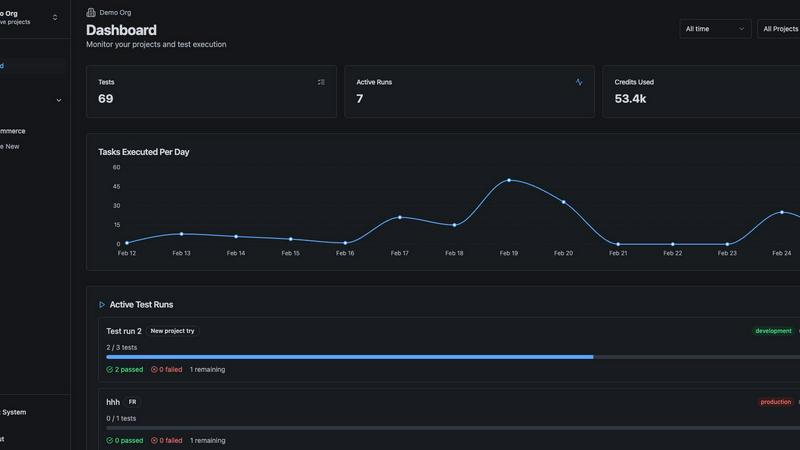
qtrl.ai is a modern, progressive QA platform engineered to solve the fundamental tension in software quality assurance: the need for both speed and control. It is not merely another test automation tool, but a unified platform that seamlessly integrates enterprise-grade test management with powerful, trustworthy AI automation. At its heart, qtrl provides a centralized command center for all quality activities. Teams can meticulously organize test cases, plan and execute test runs, trace requirements to ensure comprehensive coverage, and monitor quality health through real-time dashboards. This structured foundation offers engineering leads and QA managers unparalleled visibility into testing status, risk areas, and release readiness.
Where qtrl truly distinguishes itself is through its philosophy of "progressive automation." Rejecting the risky, all-or-nothing approach of "black-box" AI, qtrl allows teams to start with familiar, manual test management. When ready, they can incrementally leverage intelligent autonomous agents. These agents can generate robust UI tests from simple English instructions, autonomously maintain them against application changes, and execute them at scale across multiple browsers and environments. This makes qtrl an ideal solution for product-led engineering teams seeking velocity, QA groups transitioning from manual processes, organizations modernizing legacy workflows, and enterprises that demand strict compliance, audit trails, and governance. Ultimately, qtrl bridges the gap between the slow pace of manual testing and the brittle, expensive complexity of traditional scripted automation, offering a trusted, scalable path to intelligent quality assurance.
Frequently Asked Questions
CloudBurn FAQ
How does CloudBurn integrate with existing workflows?
CloudBurn integrates seamlessly with GitHub, allowing teams to install it and add necessary GitHub Actions to their workflows. This integration ensures automated cost analysis on every pull request, making it easy to incorporate financial oversight into the development process.
What types of infrastructure changes can CloudBurn analyze?
CloudBurn can analyze any changes made through Infrastructure-as-Code tools like Terraform and AWS CDK. This includes modifications to resources, configurations, and deployments, providing detailed cost impact reports for each change.
Is there a free trial available for CloudBurn?
Yes, CloudBurn offers a 14-day Pro trial that allows users to experience the full suite of features without a credit card requirement. After the trial, users can choose to continue with the Community plan for free or opt for a paid subscription.
How does CloudBurn ensure accurate cost estimates?
CloudBurn leverages real-time AWS pricing data to provide accurate cost estimates for infrastructure changes. This ensures that developers are always working with the most current pricing information, allowing for informed decision-making regarding resource allocation and management.
qtrl.ai FAQ
How does qtrl.ai's AI differ from other "autonomous" testing tools?
qtrl.ai rejects the "black-box" AI-first approach that can be unpredictable and risky. Instead, it employs a progressive, trust-earning model. The AI operates as assistive agents that execute clear instructions or generate tests that are always reviewable and editable by humans. Governance controls, full transparency into agent actions, and a focus on augmenting (not replacing) human oversight make its AI practical and trustworthy for real enterprise workflows.
Can we use qtrl.ai if we currently only do manual testing?
Absolutely. qtrl is explicitly designed for this scenario. You can begin by using it as a powerful test management system to organize your existing manual cases and plans. When you're ready, you can start automating specific tests using plain English instructions with the AI agents, allowing you to scale your efforts incrementally without a disruptive, all-at-once transition.
How does qtrl handle testing across different environments and with sensitive data?
qtrl provides secure, multi-environment execution capabilities. You can define various environments (dev, staging, prod) with their own variables. Crucially, sensitive data like passwords and API keys can be stored as encrypted secrets that are injected at runtime. These secrets are never exposed to the AI agents, ensuring security and compliance are maintained throughout the testing process.
What kind of integration and traceability does qtrl support?
qtrl is built for real-world workflows. It supports requirements management integration, allowing you to trace tests back to specific features or user stories for coverage analysis. It also offers CI/CD pipeline support for automated test execution as part of your build process. Furthermore, its centralized nature provides inherent traceability from test cases to execution results and defects, all visible in comprehensive dashboards.
Alternatives
CloudBurn Alternatives
CloudBurn is a cutting-edge FinOps and infrastructure cost management platform tailored for engineering teams utilizing Infrastructure-as-Code (IaC) frameworks such as Terraform or AWS CDK. It transforms cloud cost management from a reactive approach to a proactive one, integrating seamlessly into the developer workflow by providing real-time cost estimates directly within the pull request process. This innovation helps teams avoid unexpected billing by ensuring that financial considerations are part of the development cycle. Users often seek alternatives to CloudBurn for various reasons, including pricing constraints, specific feature requirements, or compatibility with other tools and platforms they are already using. When searching for an alternative, it is essential to consider factors such as ease of integration, the accuracy of cost estimates, and the extent to which the tool supports existing workflows. Additionally, assessing the scalability and flexibility of the solution can help ensure it meets both current and future needs.
qtrl.ai Alternatives
qtrl.ai is a modern QA platform in the automation and dev tools space. It uniquely blends enterprise-grade test management with a progressive, trustworthy AI layer, allowing teams to scale their testing efforts while maintaining full control and governance over the process. Users often explore alternatives for various reasons. These can include budget constraints, the need for a different feature mix, or specific platform requirements like deeper integrations with an existing toolchain. Some teams may also seek a solution that is either purely manual, fully open-source, or takes a more aggressive, AI-first approach to automation. When evaluating alternatives, consider your team's primary goals. Key factors include the balance between structured test management and automation capabilities, the level of AI integration and transparency desired, and the importance of enterprise features like audit trails and compliance. The ideal choice should align with your team's maturity, from manual testing to advanced autonomous agents.