

CloudBurn
CloudBurn provides AWS cost estimates in pull requests, helping teams avoid unexpected bills from infrastructure.
About CloudBurn
CloudBurn is an innovative FinOps and infrastructure cost management platform tailored for engineering teams leveraging Infrastructure-as-Code (IaC) through tools like Terraform and AWS CDK. It revolutionizes cloud cost management by shifting the focus from reactive billing surprises to proactive decision-making, ensuring teams can manage costs effectively. Designed specifically for developers, platform engineers, and DevOps professionals, CloudBurn addresses the common pain point of discovering infrastructure misconfigurations long after deployment, typically revealed in overwhelming AWS invoices. The platform integrates seamlessly into existing workflows, particularly during the pull request (PR) process, where it automatically evaluates IaC changes against real-time AWS pricing data. This results in immediate, detailed cost impact reports that appear directly within the code review interface. By embedding financial oversight into the CI/CD pipeline, CloudBurn transforms cost awareness into a continuous practice, empowering teams to make informed decisions and optimize resources before the code is merged and deployed.
Features of CloudBurn
Proactive Cost Impact Analysis
CloudBurn provides real-time cost impact analysis for infrastructure changes, enabling developers to see the exact financial implications of their modifications within the pull request. This feature ensures that cost considerations become an integral part of the development process, fostering a culture of fiscal responsibility among engineering teams.
Seamless GitHub Integration
With seamless integration into GitHub, CloudBurn simplifies the setup process for teams. Users can easily install the platform and add necessary GitHub Actions to their workflows, ensuring that cost analysis is automatically included in each pull request without any additional overhead.
Automated Cost Reporting
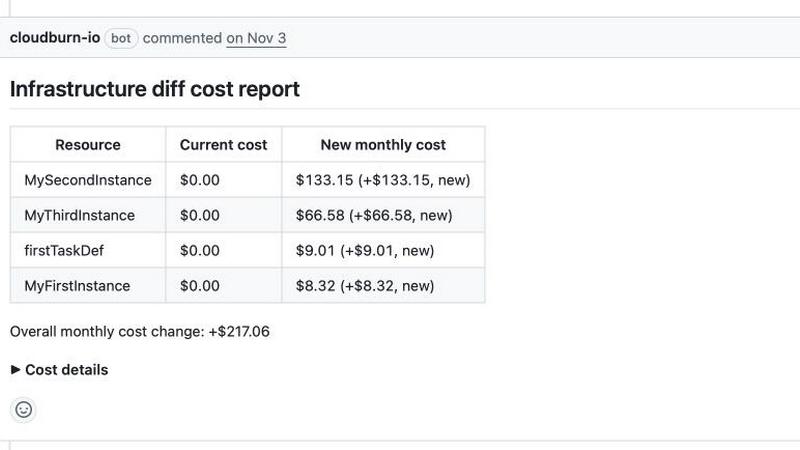
CloudBurn automatically generates detailed cost reports based on the infrastructure changes proposed in a pull request. This feature highlights the monthly cost impact of each resource, allowing teams to visualize and discuss potential budget implications before changes are deployed to production.
Continuous Cost Monitoring
By providing continuous cost monitoring and real-time pricing updates, CloudBurn helps teams avoid unexpected expenses. This feature ensures that developers are always working with the latest pricing information, allowing for informed decisions that can prevent costly mistakes.
Use Cases of CloudBurn
Early Detection of Costly Misconfigurations
CloudBurn serves as an essential tool for identifying costly misconfigurations during the development phase. By integrating cost analysis into the PR process, teams can catch potential budget overruns before deployment, significantly reducing the risk of unexpected bills.
Optimizing Resource Allocation
Development teams can utilize CloudBurn to optimize their resource allocation by understanding the cost implications of their infrastructure choices. With detailed cost reports, teams can make informed adjustments to resource specifications, ensuring efficient use of cloud resources.
Enhancing Financial Accountability
By embedding cost awareness into the CI/CD pipeline, CloudBurn fosters a culture of financial accountability within engineering teams. Developers become more conscious of the financial implications of their work, leading to better decision-making and more responsible cloud resource management.
Streamlining Collaboration Between Teams
CloudBurn facilitates better collaboration between development and finance teams by providing a common platform for discussing cost implications. This collaborative approach enhances communication and aligns engineering efforts with financial goals, driving overall efficiency in cloud management.
Frequently Asked Questions
How does CloudBurn integrate with existing workflows?
CloudBurn integrates seamlessly with GitHub, allowing teams to install it and add necessary GitHub Actions to their workflows. This integration ensures automated cost analysis on every pull request, making it easy to incorporate financial oversight into the development process.
What types of infrastructure changes can CloudBurn analyze?
CloudBurn can analyze any changes made through Infrastructure-as-Code tools like Terraform and AWS CDK. This includes modifications to resources, configurations, and deployments, providing detailed cost impact reports for each change.
Is there a free trial available for CloudBurn?
Yes, CloudBurn offers a 14-day Pro trial that allows users to experience the full suite of features without a credit card requirement. After the trial, users can choose to continue with the Community plan for free or opt for a paid subscription.
How does CloudBurn ensure accurate cost estimates?
CloudBurn leverages real-time AWS pricing data to provide accurate cost estimates for infrastructure changes. This ensures that developers are always working with the most current pricing information, allowing for informed decision-making regarding resource allocation and management.
Explore more in this category:
Similar to CloudBurn

Sayble
AI copilot that tells you what to say next on live sales calls, then writes the recap and follow-up.

Product Launch Checklist
A free launch checklist for SaaS, apps, AI tools and more. Every step says why it matters and when you can skip it.

Sprite Sheet Maker
A free browser-based toolkit for creating, cutting, converting, and previewing sprite sheet animations.

Kody Tools
Free collection of online developer utilities, code formatters, and digital converters designed to streamline your daily workflow.


laya.tools
A free directory of 950+ projects built on Laya, the open-source decision model. Updated daily.

tally counter
Browser-based gamepad diagnostic tool for testing controller buttons, analog sticks, triggers, D-pad controls, and input detection.

Forms Plugin
The #1 Native Form Builder Plugin for Framer - No Code, No Embeds, No External Platforms.