
Alternatives to Vidgo API
Explore the best alternatives and competitors to Vidgo API.
Explore 20 alternatives to Vidgo API. Compare features, pricing, and find the best fit for your needs.
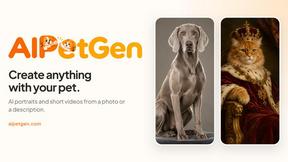
AIPetGen
AIPetGen turns a photo of your dog, cat, or other pet, or a written description, into a new picture or a short animation.
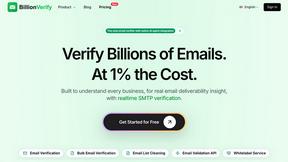
BillionVerify
BillionVerify is a professional email verification service built to solve one problem: bad email data costs businesses money.

Genjutsu AI
Genjutsu AI turns your ideas into cinematic videos, product ads, social shorts, and high-quality images in minutes. Built for TikTok & Reels.
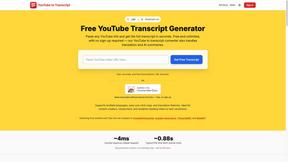
GetYouTubeTranscript
Free YouTube transcripts on the web, a Chrome extension, and an API + MCP server so AI assistants can read YouTube.

layahost
Moderation, routing, intent and scoring for any text over one Jev-compatible API, hosted in the EU.

ContextBolt SEO
Research keywords, competitors, backlinks and AI visibility inside Claude or Codex, with findings saved to your SEO dashboard.


Postqued
Schedule and publish social content across 10 platforms with one dashboard, API, and MCP built for teams and AI agents.
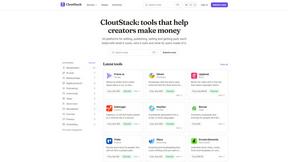

AI Image Remover
AI Image Remover is a free browser tool for erasing people and objects from photos. Upload an image, brush a mask over the distraction

VideoAny BR
Create AI videos from text or images, generate images and audio in one online studio.
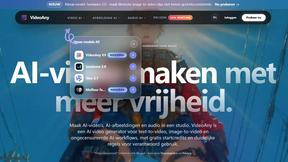
VideoAny BE
Create AI videos from text or images, generate images and audio in one online studio.


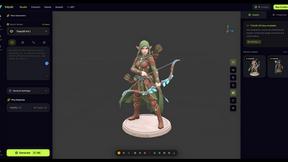
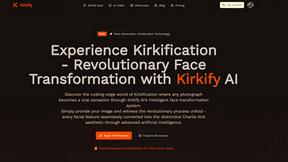
Kirkify
Kirkify AI instantly transforms any photo into viral Charlie Kirk memes using advanced face swap and AI video tools for creators and marketers.
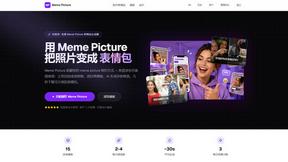
Meme Picture
Meme Picture uses AI to turn selfies and pet photos into classic memes in seconds, with free daily generations and no login required.

CreatorlaneHQ
CreatorlaneHQ is an all-in-one Instagram toolkit that automates DMs and sales, turning comments into revenue through a link-in-bio storefront.
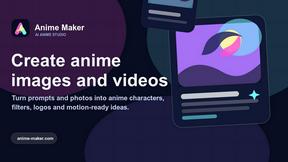
Anime Maker
Anime Maker transforms text, photos, or ideas into high-quality anime images, characters, and short videos using AI.
About Vidgo API Alternatives
Vidgo API is a unified platform in the AI development tools category, providing streamlined access to a marketplace of over 35 leading generative AI models for video, image, and music creation through a single API. It aims to simplify integration and reduce costs for technical teams. Developers may seek alternatives for various reasons, including specific budget constraints, the need for different model selections not available on the platform, or unique technical requirements like custom deployment options. Some may also look for providers with different pricing structures or specialized support for niche use cases. When evaluating other platforms, key considerations should include the breadth and quality of the available AI models, the reliability and speed of the API infrastructure, the transparency and predictability of the pricing model, and the overall ease of integration into existing development workflows. The goal is to find a solution that balances cost, capability, and operational simplicity for your specific project.
FAQs about Vidgo API Alternatives
What is Vidgo API?
Vidgo API is a unified, production-ready platform that consolidates access to over 35 world-leading AI models for video, image, and music generation through a single, consistent REST API.
Who is Vidgo API for?
It is engineered for technical teams and developers who require fast, stable, and cost-predictable AI integration at scale for building applications like dynamic marketing content or AI-powered creative tools.
What are the main features of Vidgo API?
Its core features are a unified multi-modal AI marketplace with over 35 models and a production-first infrastructure guaranteeing 99.9% uptime with an average 120ms response time.
Why choose Vidgo API?
The platform is chosen for its significant cost efficiency compared to competitors, operational simplicity via a single interface, and production reliability for mission-critical workloads.