
Alternatives to Self-Healing Integrations
Explore the best alternatives and competitors to Self-Healing Integrations.
Explore 20 alternatives to Self-Healing Integrations. Compare features, pricing, and find the best fit for your needs.

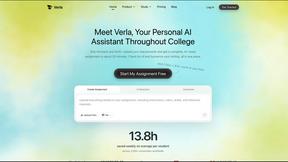
Verla AI
Verla is an AI academic assistant for university and college students, combining AI essay writing, academic research, AI detection, AI humanization
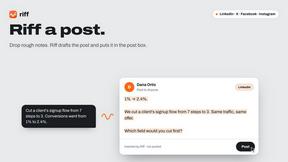
Riff
Riff writes replies, DMs and posts with Gemini Nano inside Chrome. Runs on your computer, no account or API key, and never posts for you.

Capafy AI
Agent Skills marketplace: discover expert AI agents, run them online, or publish a Skill and earn from every sale.

Memorable Contact
Memorable Contact helps you remember people, save conversation details, find contacts using AI-powered search, and share digital business cards easily


GetYouTubeTranscript
Free YouTube transcripts on the web, a Chrome extension, and an API + MCP server so AI assistants can read YouTube.

Sayble
AI copilot that tells you what to say next on live sales calls, then writes the recap and follow-up.

layahost
Moderation, routing, intent and scoring for any text over one Jev-compatible API, hosted in the EU.

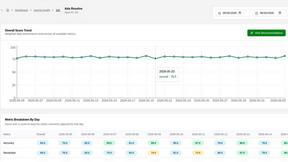


benchmark.directory
AI tools written up by the people who paid for them. Pricing, integrations, data policy and the limit we hit in a week of use.
saasgrow.ai
The shortcut to the right SaaS. Screened growth tools, organised by category, with nothing sponsored and nothing bought.

Tools Network
Tools Network is a curated directory that brings the internet's best AI tools together in one organized place.


Built2WinWeb AI SEO
AI‑ready websites, WebAgentScan SaaS, and Indexing Pack. MCP, A2A, llms.txt — hand‑coded PHP, complete ownership, flat‑fee, free quote.
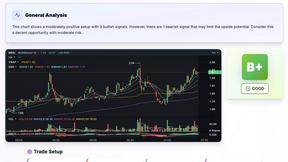
SnapPChart
SnapPChart grades a trading chart screenshot A+ to F, with an entry, stop, targets, and risk/reward. Works on stocks, forex, crypto, futures.

About Self-Healing Integrations Alternatives
Self-Healing Integrations is an innovative integration solution that allows businesses to seamlessly connect various systems through an AI-managed lifecycle. Designed for companies that require ongoing changes, monitoring, and maintenance after their integrations go live, this platform falls under the category of AI Assistants. Its primary advantage lies in its ability to reduce the integration tax that many companies face, which often slows down the launch of new channels, systems, or partners, making the process both expensive and cumbersome. Users often seek alternatives to Self-Healing Integrations for various reasons including pricing constraints, specific feature requirements, or unique platform needs. When evaluating alternatives, it is essential to consider the scalability of the solution, the level of automation in maintenance and monitoring tasks, and the overall user experience. Additionally, businesses should examine the support offered by the provider and how well the solution can adapt to future integration challenges, ensuring that they make an informed decision that aligns with their long-term goals.
FAQs about Self-Healing Integrations Alternatives
What is Self-Healing Integrations?
Self-Healing Integrations is a sophisticated integration platform that enables businesses to connect multiple systems effortlessly. It is characterized by its AI-managed lifecycle, which automates the maintenance and monitoring of integrations after they go live. This helps businesses reduce the time and cost associated with custom integration projects.
Who is Self-Healing Integrations for?
Self-Healing Integrations is designed for businesses seeking to streamline their integration processes and reduce the overhead associated with managing multiple systems. It is particularly beneficial for companies that frequently launch new channels, systems, or partners and require ongoing support for their integrations.
Is Self-Healing Integrations free?
Self-Healing Integrations is not a free service; it typically operates on a subscription or usage-based pricing model. Pricing structures may vary based on the features utilized and the scale of integrations required by the business. It is advisable for potential users to consult with sales representatives for detailed pricing information.
What are the main features of Self-Healing Integrations?
The main features of Self-Healing Integrations include automated monitoring, AI-driven maintenance, and the ability to adapt to ongoing changes in integrations. These features ensure that businesses can maintain seamless connectivity between systems without the burdensome manual effort associated with traditional integration methods.